Summary:
A gemstone’s color and durability depend greatly on its cut. This guide explains how gemstone cut color durability is linked through light behavior, windowing, extinction, and expert craftsmanship.
Introduction
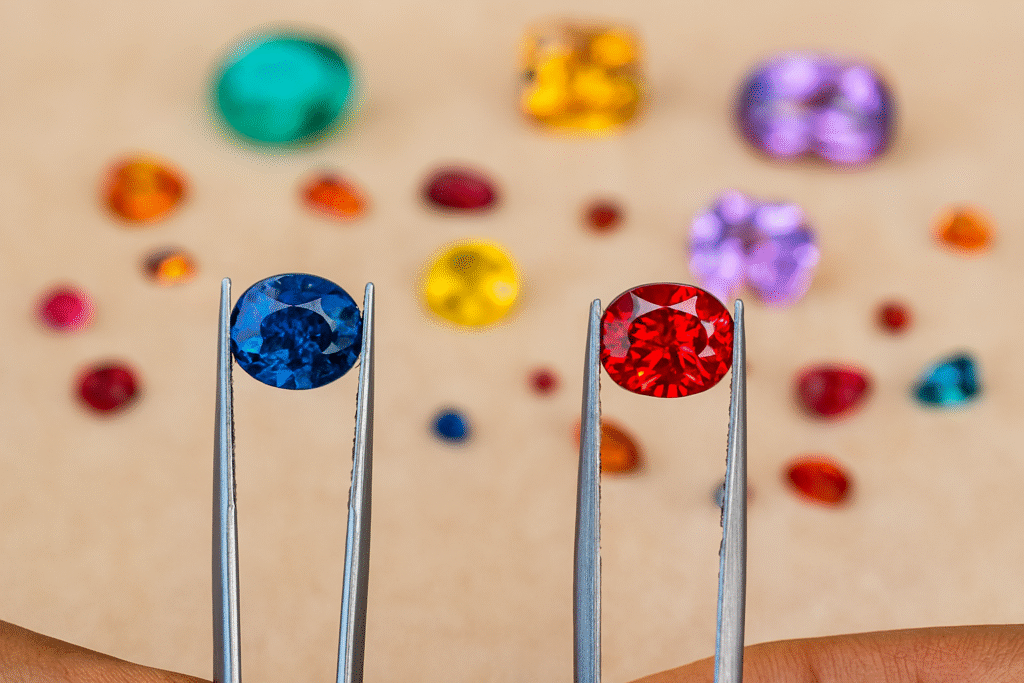
When it comes to gemstones, gemstone cut color durability are inseparable. The way a gem is cut decides how it reflects light, displays color, and resists wear. Moreover, while many buyers focus on carat and clarity, a poor cut can ruin both beauty and strength.
In fact, understanding how the cut affects light and durability helps you choose stones that stay brilliant for years.
Windowing and Extinction in Gemstone Cuts
Two major problems can significantly affect gemstone cut color durability:
1. Windowing – When a gem is cut too shallow, light escapes through the bottom, creating a colorless “window.” This is especially common in aquamarine and topaz.
2. Extinction – When the cut is too deep, light gets trapped, forming dark patches. Consequently, the gem appears dull and lifeless, as seen in sapphire and garnet.
Therefore, both issues reduce brilliance and make the color appear uneven.
Related Post: Ruby Gemstones 2025 Guide
Further Reading: Learn about gemstone light performance
The Cutter’s Skill and Gemstone Durability
A cutter decides how gemstone cut color durability balance. Their precision determines color depth and structural safety.
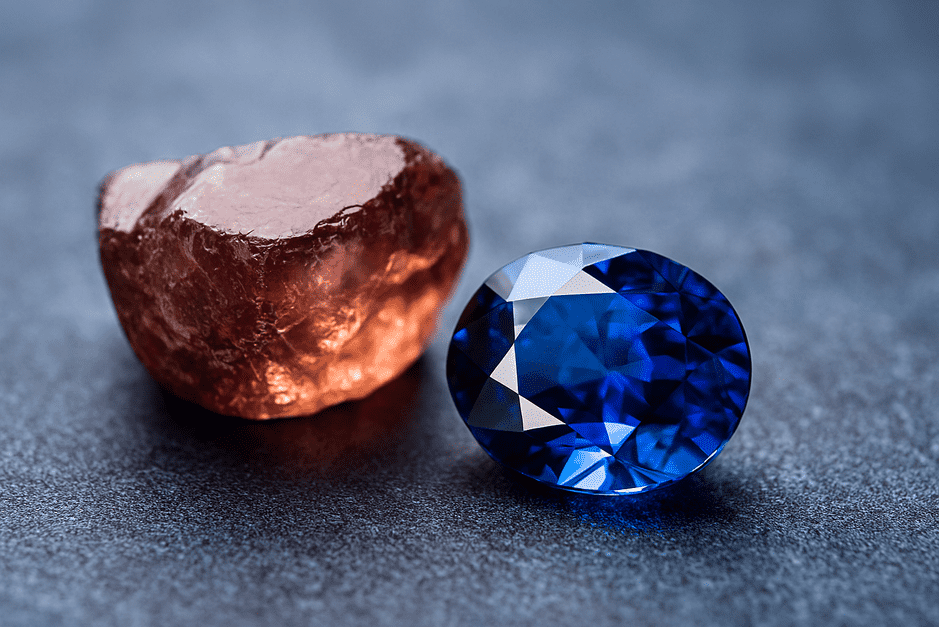
- Color Orientation: Turning rough to showcase its richest hue — for example, tourmaline cut lengthwise.
- Inclusion Placement: Flaws hidden under prongs preserve clarity.
- Durability Adjustments: Certain stones, like topaz or kunzite, require careful angles to avoid cracks.
Related Post: Understanding BIS Hallmark: What It Means for Your Jewellery
Further Reading: For durability guidelines, visit International Gem Society
Buying Tips: How to Judge Gemstone Cut Color Durability
When examining a gem, firstly, look beyond color and clarity.
Rotate it under light and check for:
- Even color from all sides
- No see-through centers or dark zones
- Balanced sparkle
Ask the seller:
- Who cut the gem?
- Was the cut chosen for beauty or weight?
- How durable is it for daily wear?
Ultimately, investing in a well-cut gemstone ensures long-term brilliance and strength.
Related Post: Festival Offers & Jewelry Discounts
Further Reading: Explore gemstone cut diagrams on GemSelect
FAQ
Q1. How does the gemstone cut affect color and durability?
A: The cut directs light through the gem, enhancing color and preventing weak spots that cause cracks.
Q2. Which gems are most affected by poor cutting?
A: Sapphires, emeralds, tourmalines, and topazes show visible loss of color when poorly cut.
Q3. Can a gemstone be re-cut to improve color?
A: Yes, skilled lapidaries can re-cut a gem to improve color intensity and durability.
Q4. How do I verify gemstone cut quality?
A: Look for consistent color and even sparkle. You can also check reports from trusted labs like GIA.